Leaving South Africa, whether for a two-year work contract, a gap year, a stint of remote work, or a permanent move, comes with one question that catches almost everyone off guard: what do you do with all your stuff? Shipping a full household overseas is expensive. Selling everything means starting from scratch if you come back. For most people, storing your belongings at home is the sensible middle ground.
This guide is written for South Africans heading abroad who want to keep their possessions safe, accessible, and affordable while they are away. We will walk through the store, sell or ship decision, what survives long-term storage, how to manage a unit from another country, and roughly what it all costs. If you are new to it, start with how self storage works.
Store, sell, or ship? Making the big decision
Before you book anything, sort your belongings into three buckets. The trick is to be honest about replacement cost, sentimental value, and how likely you are to return. For long-term peace of mind, a dedicated travel and expat storage solution keeps everything in one secure place.
| Best to STORE | Best to SELL | Best to SHIP |
|---|---|---|
| Quality furniture you would replace at high cost | Bulky, low-value items (cheap shelving, old appliances) | Irreplaceable sentimental items |
| Sentimental pieces and heirlooms | Anything easily rebought when you return | Essentials you will need immediately abroad |
| Appliances suited to SA plugs and voltage | Items that will not survive years in storage | Small, high-value, light items (laptops, jewellery) |
| Items you will want if you return within a few years | Things you have outgrown anyway | Documents you may need overseas |
Rule of thumb: If an item costs more to ship or replace than a year or two of storage, storing it usually wins, especially if there is any chance you will return.
What stores well long-term (and what doesn’t)
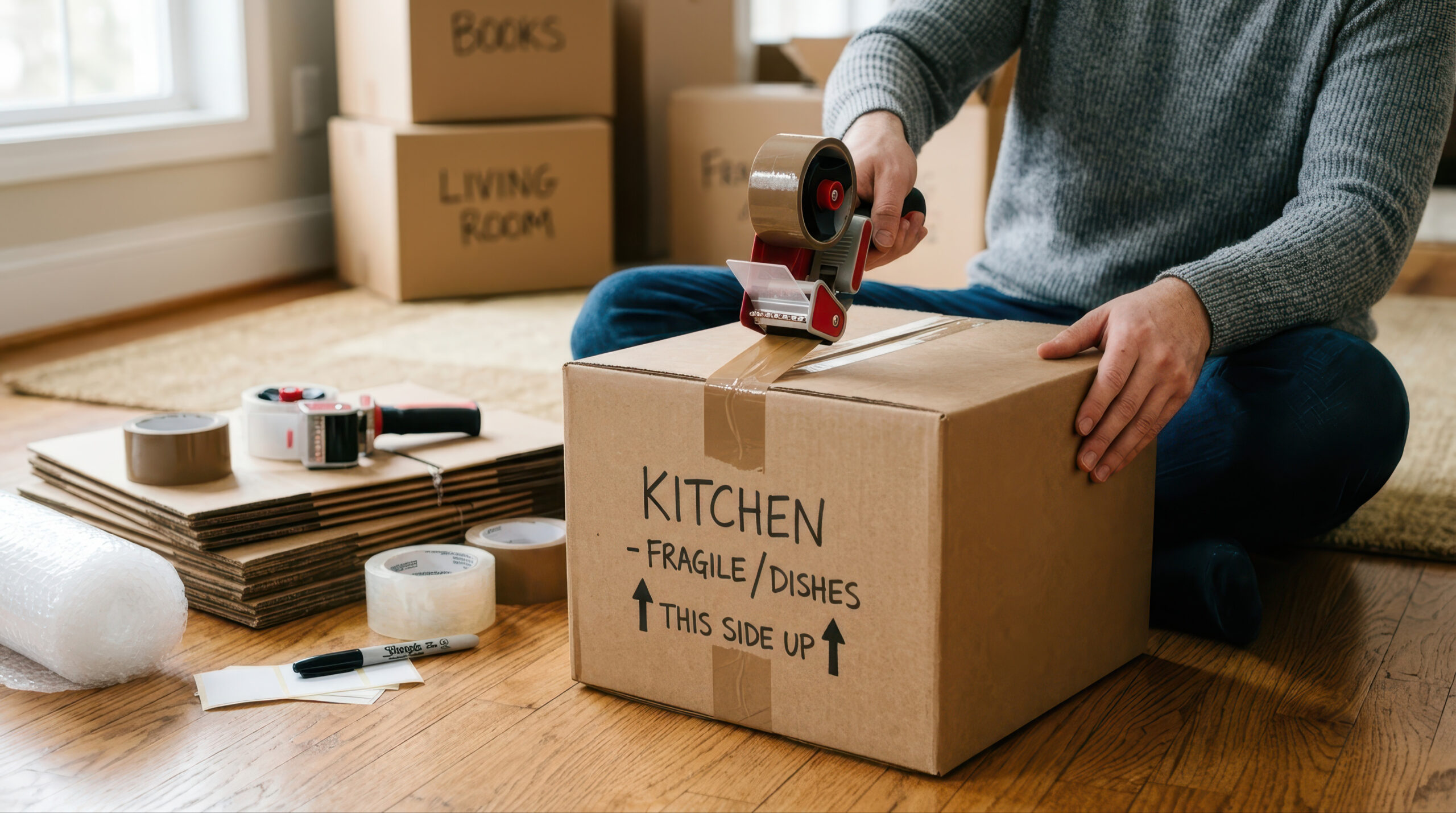
Long-term storage is different from a few weeks between moves. Items sit untouched for months or years, so preparation matters. If you are storing to free up a home you are keeping rather than leaving, personal storage is a flexible option.
Stores well
- Solid wood and metal furniture, properly wrapped
- Appliances that have been cleaned, dried and left slightly ajar
- Crockery, glassware and décor packed in sturdy boxes
- Books and documents in sealed, moisture-protected containers
Needs extra care or is best not stored
- Anything perishable, or food that attracts pests, which should never be stored
- Electronics, which are sensitive to heat and humidity (climate control helps)
- Leather, artwork and photographs, which can mould or warp
- Flammables, batteries left in devices, and pressurised containers
Managing your storage while you’re overseas
The biggest worry for expats is not storing, it is managing a unit from thousands of kilometres away. A little planning removes the stress.
- Choose flexible, month-to-month terms so you are not locked in if your plans change.
- Set up automatic payment in rands so a missed transfer never puts your belongings at risk.
- Nominate a trusted person in SA who can access the unit on your behalf if needed.
- Keep a photo inventory on your phone and in the cloud so you know exactly what is in there.
- Confirm how you will be contacted about renewals, price changes or access, as email works best across time zones.
Insurance and security while you’re away
You will not be around to keep an eye on things, so security and insurance carry more weight than for a short-term rental. Look for a facility with proper protection and confirm exactly what is covered.
- 24/7 CCTV, secure perimeter fencing and controlled access
- Individual unit locking with access logging
- Insurance that covers the full replacement value of what you store
- Clear answers on who is liable for damage from damp, fire or theft
Check first: Your existing household insurance may cover items in storage, or it may specifically exclude them once they leave your home. Confirm in writing before you leave.
What long-term storage costs
Storage is almost always cheaper than shipping a household overseas and back, and far cheaper than replacing everything. In South Africa you can expect roughly R500–R900 a month for a mini unit (a studio’s worth of items), R1,200–R2,200 for a 1–2 bedroom household, and R1,800–R3,500 for a full three-bedroom home. For a full breakdown, see our guide to storage costs and affordable options. Over two or three years those numbers add up, so it pays to store only what you truly want to keep and to pick the right unit size rather than over-renting.
Save money: Declutter ruthlessly before you go. Our decluttering guide can help. Every item you sell or donate is one you are not paying to store for years.
Your pre-departure storage checklist
- Declutter and decide: store, sell, ship, or donate.
- Get quotes and choose the right unit size for what you are keeping.
- Clean, dry and wrap everything properly for long-term storage.
- Create a photo inventory and store it in the cloud.
- Set up automatic rand payments and nominate a local contact.
- Confirm insurance cover and keep the policy accessible online.
- Keep passports, contracts and key documents with you, not in storage.
Getting started
A move abroad is stressful enough without worrying about your belongings back home. With the right unit, flexible terms and a solid inventory, you can leave knowing everything is safe until you are ready for it, whether that is in one year or five. If you would rather load at your own pace, compare PODS storage options too. When you are ready, get in touch for a quote and advice on the best option for your move.